What should I paint next?
There’s a moment many of us know well: You sit at your table, the watercolor water shimmering softly, brushes ready… and then your eyes land on the plant you chose.
It’s big, branching, full of colors, or simply overwhelmingly beautiful.
And suddenly, getting started feels harder than you expected. Not because you’re not capable. But because nature can sometimes be a little too generous.
That’s why it’s worth pausing for a second and asking yourself:
Which botanical subject truly invites me in - instead of overwhelming me?
Especially in the beginning, this choice can shape your entire painting experience.
Why your choice of subject matters so much
It’s completely normal to reach for the most spectacular plants at first.
But what feels effortless in everyday life can become surprisingly complex once it’s on your paper: lots of tiny details, shifting colors, large surfaces, or fragile blooms that change by the minute.
Often, it’s not your skills that get in the way - it’s the subject itself.
A well-chosen beginner-friendly object creates breathing room.
It offers structure instead of stress and helps you focus on what matters most: the joy of painting.

So beautiful, but also complex: double flower roses.
What makes a great beginner subject
1. Smaller objects make painting easier
Choosing a small subject can make the whole process feel calmer. Of course, it depends on how detailed you want to be - but in general, smaller objects are easier to manage.
The surface dries more evenly, you can work in small sections, and you don’t have to keep track of everything at once.
A small subject often means a more relaxed painting session.
2. Clear, easy-to-read shapes
Whether round, oval, or symmetrical - simple shapes are easier to understand. Think in basic geometric forms, like a sphere, and look for a matching object (berries, poppy pods, etc.).
When the basic form is clear, sketching and shading become much easier.
Possible subjects:
round fruits
single flowers
simple pairs of leaves
compact seed pods
3. Subjects that divide nicely into sections
A true game changer for beginners.
If your subject is naturally structured, you can finish one section at a time, calmly and without pressure.
You’ll find examples of this approach in our Botanical SketchVibes tutorials with watercolor:
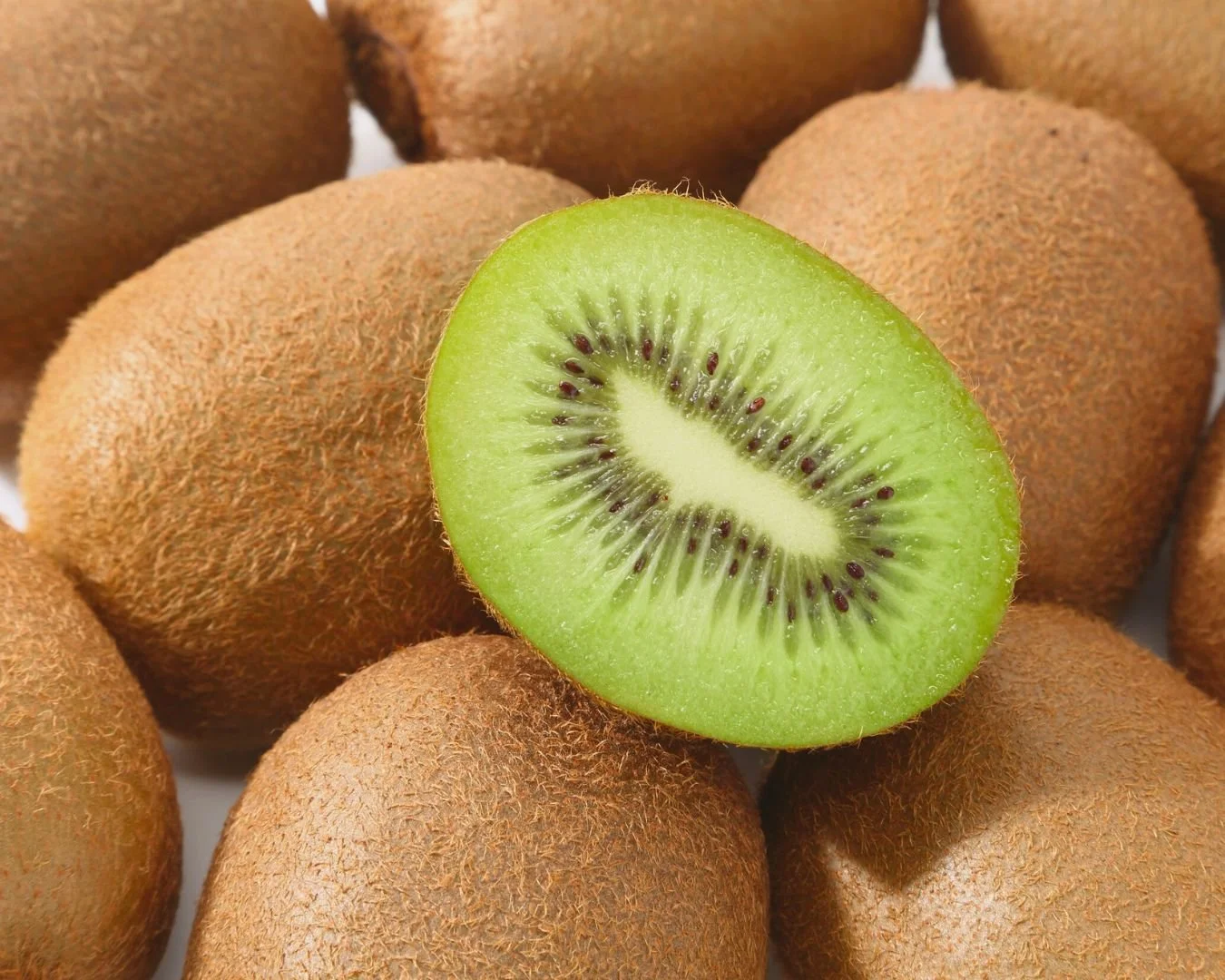
Great for watercolor sketching - the kiwi.
4. Characteristic features
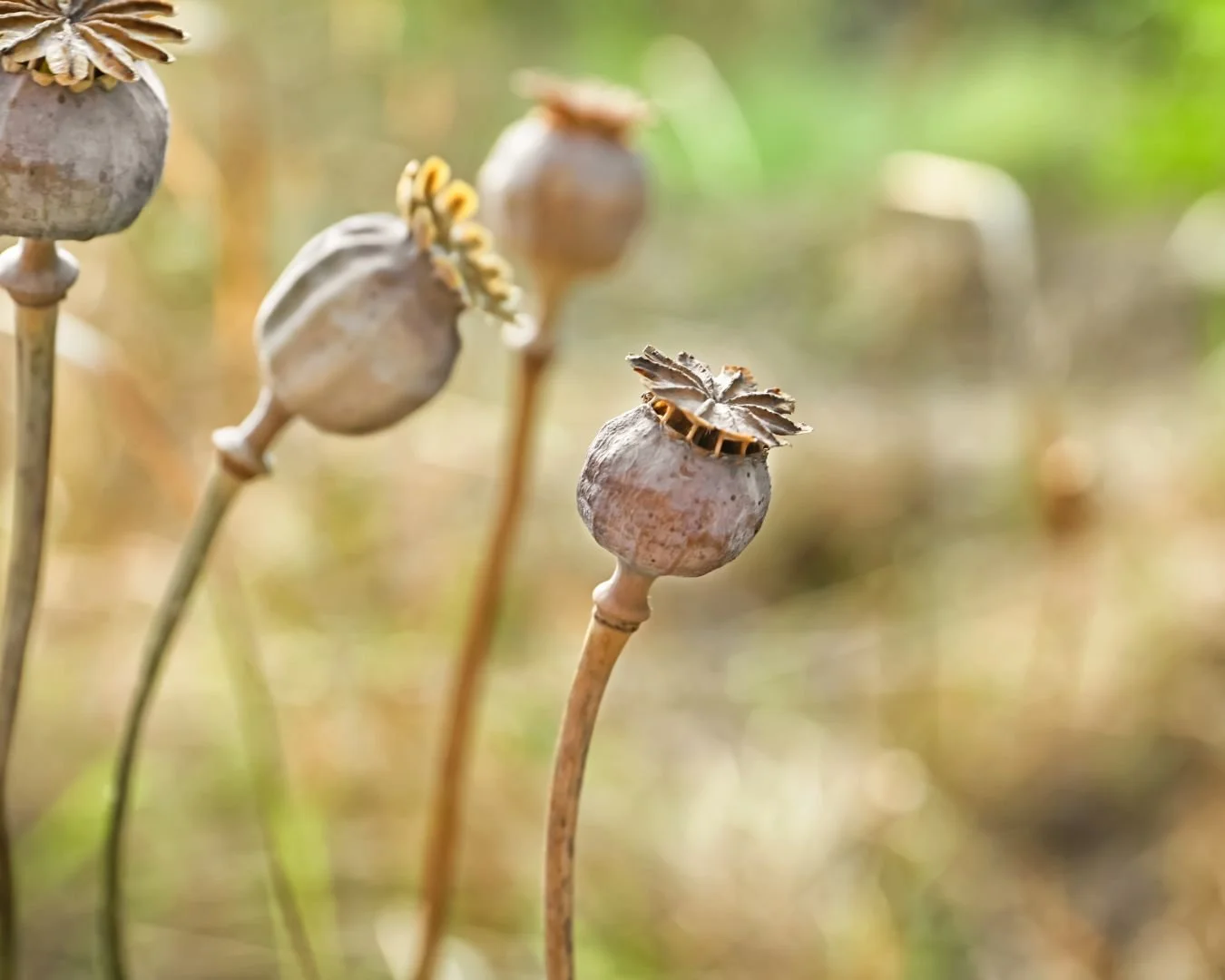
Poppy seedheads and their characteristic form.
A distinctive shape gives you stability and orientation.
It makes the object easy to recognize - and satisfying to paint.
Great silhouettes include:
rose hips
acorns
daisies
5. Paint just a detail instead of the whole object
You don’t have to paint the entire plant. In fact, a single leaf or bud can be much more engaging and much easier.
Think of it as one part of a botanical study - you decide later whether you want to complete the whole series.
Possible close-ups:
a single petal
a bud
the lower part of a flower
6. Subjects that stay stable for a long time
When your subject doesn’t wilt, curl, or change color, you can take your time - which is invaluable in the beginning.
One of my first test subjects was a tulip. Beautiful, with a simple geometric shape… But you wouldn’t believe how quickly a tulip opens. The appearance changes even while you’re still sketching.
Much better options are:
seeds / nuts
dried pods or seed heads
branches / cones
fruit and vegetables
These stay consistent for hours - or even days.
What makes things harder in the beginning
Experience shows that the following subjects can quickly lead to frustration:
very large objects (they require lots of water, space, and patience)
highly branched or intricate shapes (easy to lose yourself in the details)
subjects that must be painted “in one go,” such as large leaves or petals in watercolor (water lines appear quickly if you can’t work wet-in-wet over the whole area)
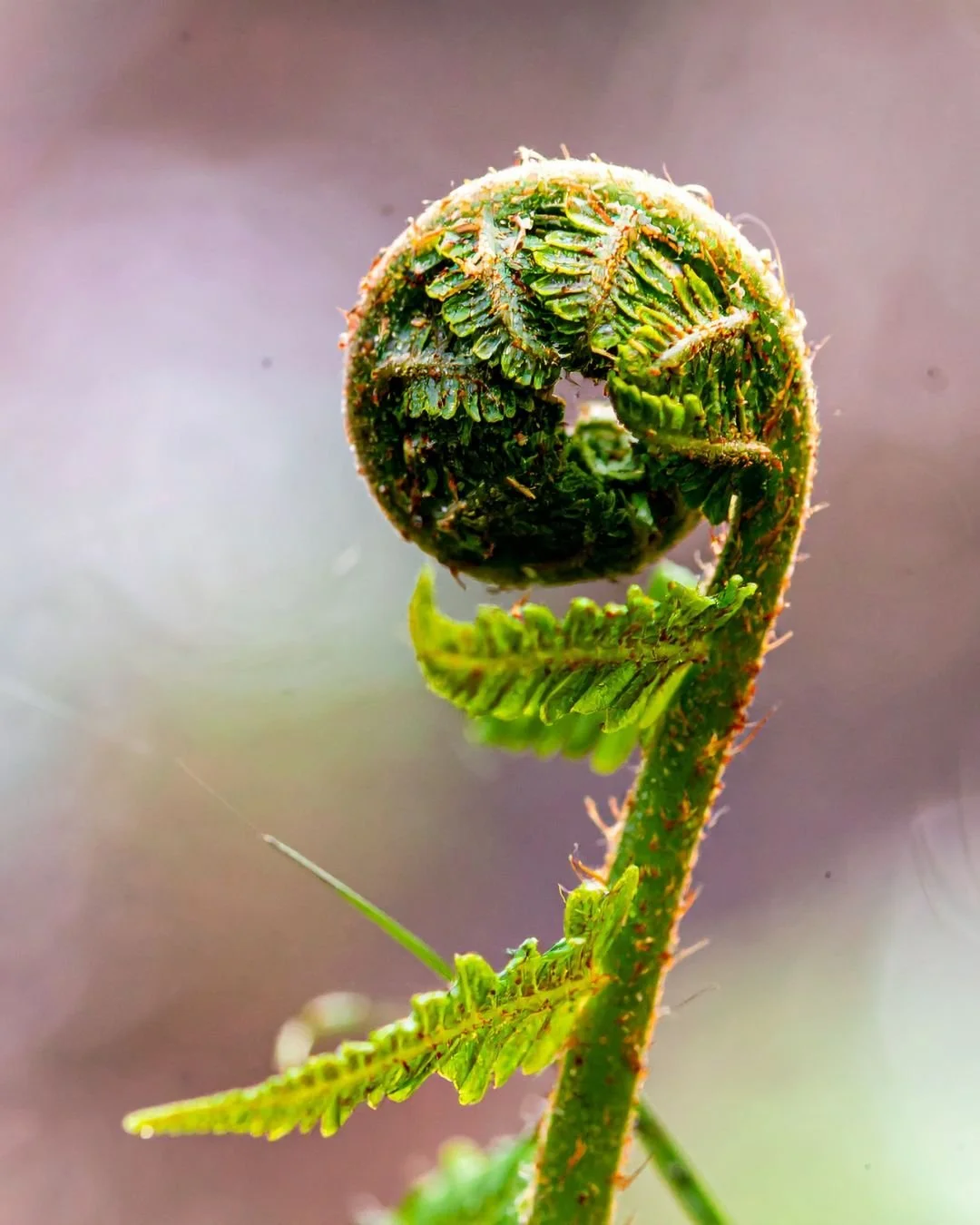
Stunningly beautiful, but not for beginners: rolled-up fern fronds.
Ideas for wonderful beginner-friendly subjects
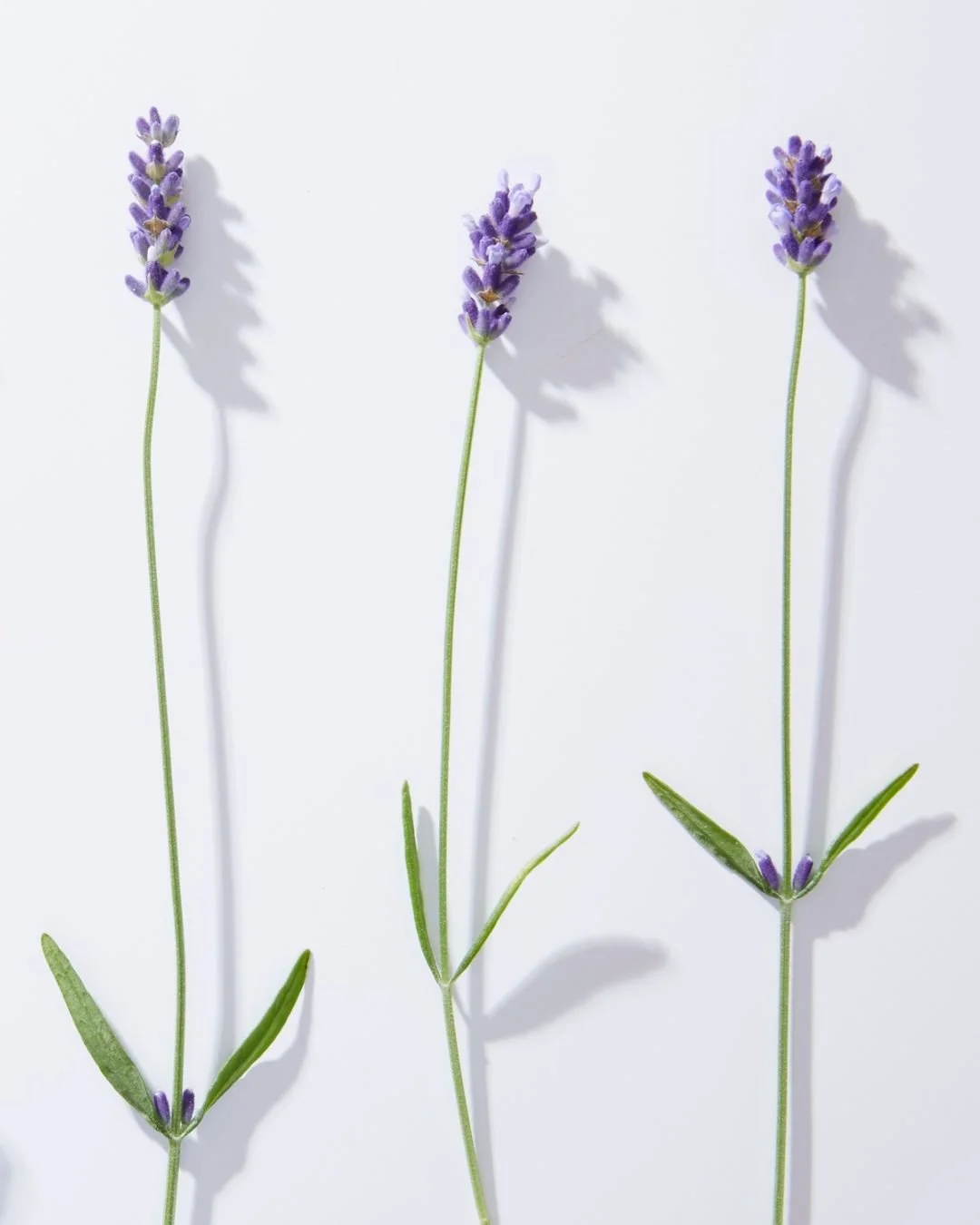
Great for beginners: lavender sprigs.
Here’s a reliable list of simple and rewarding motifs:
rose hips
daisies (or just a single leaf from one)
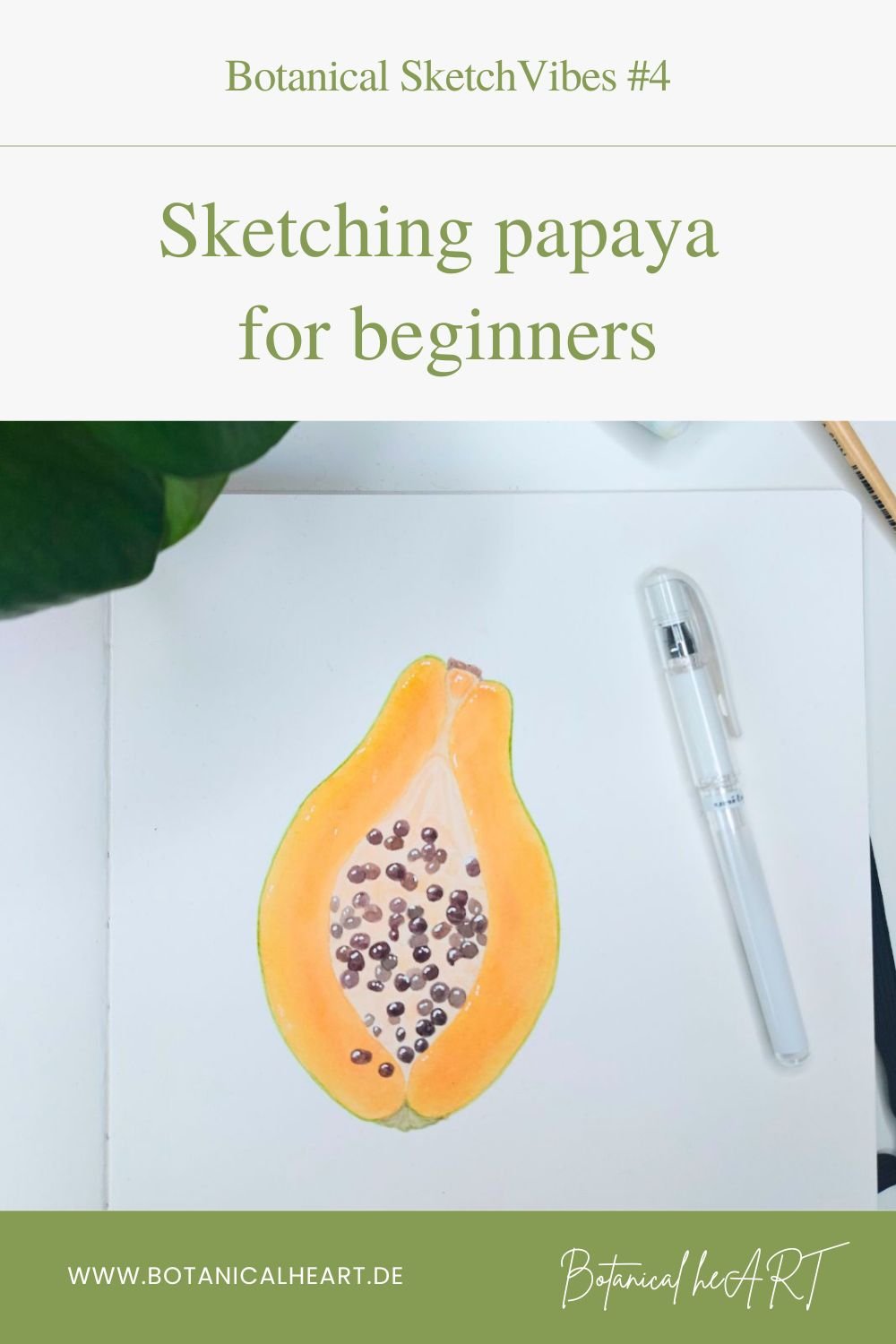
a papaya or kiwi slice
a short twig with two or three leaves
seed pods (like poppy)
acorns, small cones
a lavender sprig
All of these offer clarity, stability, and an easily readable shape. Perfect for practicing.
Pro Tip: You don´t need to paint everything
Our brain naturally fills in missing details.
You don’t need to paint every hair, vein, or subtle shadow.
Focus on:
the shape
the main light and dark contrasts
the correct color
The rest often falls into place and your painting stays fresh and lively.
Mini-exercise: Find your motif - without drawing
This little exercise brings instant clarity and takes the pressure off:
Gather three to four small botanical objects, e.g. a rose hip, a leaf, a nut, a seed head.
Place them in front of you and look at each one for 15 - 20 seconds.
Ask yourself:
Which shape do I understand immediately?
Which one feels friendly and doable?
Which object says, “Yes, you can totally paint me”?
Choose the one that gives you the most calm.
Optional:
Write down the characteristics you notice first for each object. The features that feel “typical” for it, and anything interesting that stands out. This helps you get to know your subject much more deeply.
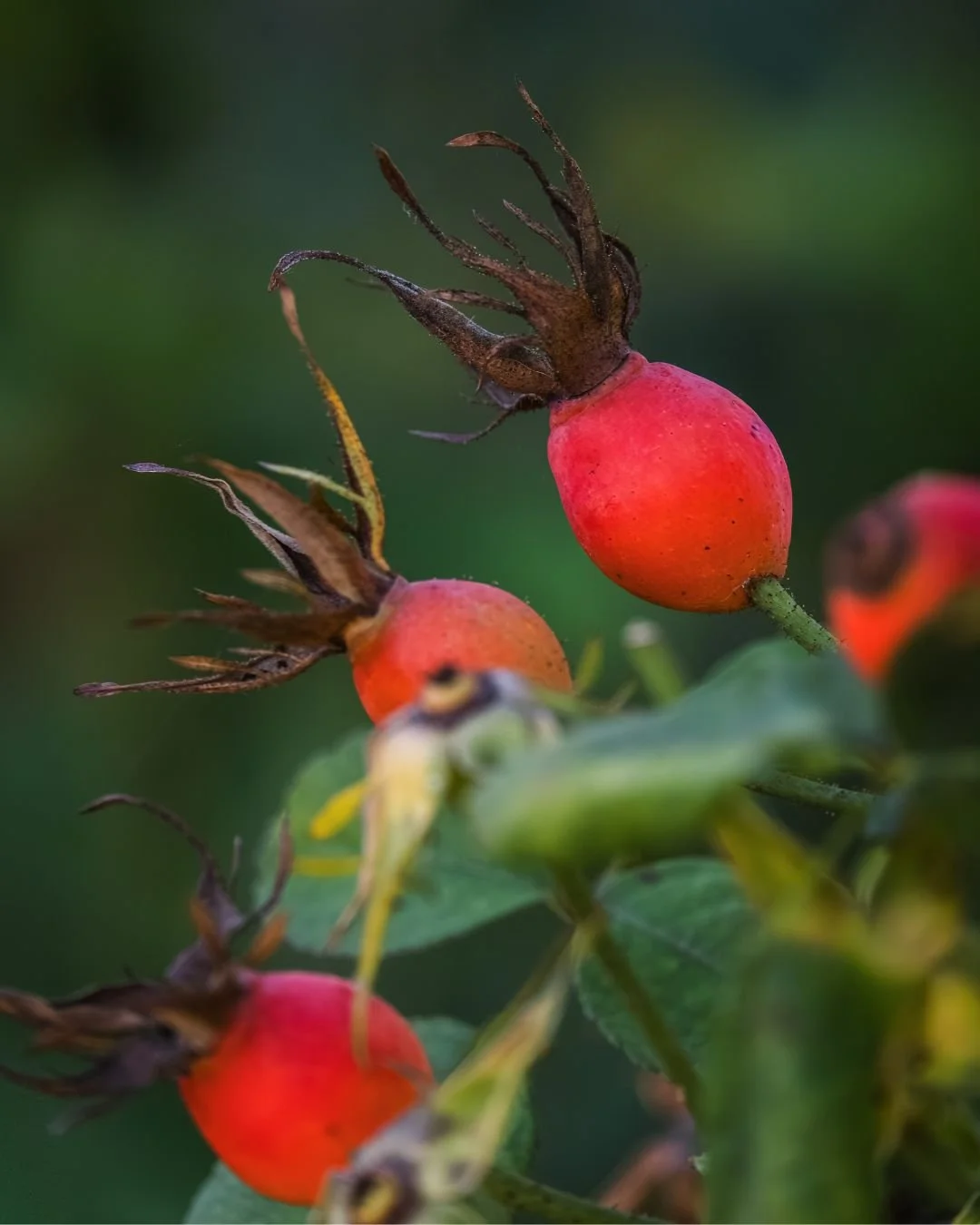
Rosehips with its distinct shape and colors.
Summary
Choosing the right subject is the first step toward a successful painting session.
By picking a small, clear, and stable object, you take so much pressure off yourself. You create space to breathe and room to slip gently into your own painting rhythm.
Everything else grows with every stroke, every color, every small moment of attention.
Wishing you so much joy in your painting journey! 🌿✨
Pin these articles on Pinterest!